Vevang AISites/ Remodelers · Local ads

Local ads management · Remodelers

Local Ads for Remodeling Companies

A homeowner who clicks a kitchen ad wants to see kitchens, not a homepage. We build the page behind the ad, run the campaigns, and track which ones turn into signed remodels.

Pick a 15-minute time. Your demo is built before the call.

  • Your demo, built before the call
  • Improved every week
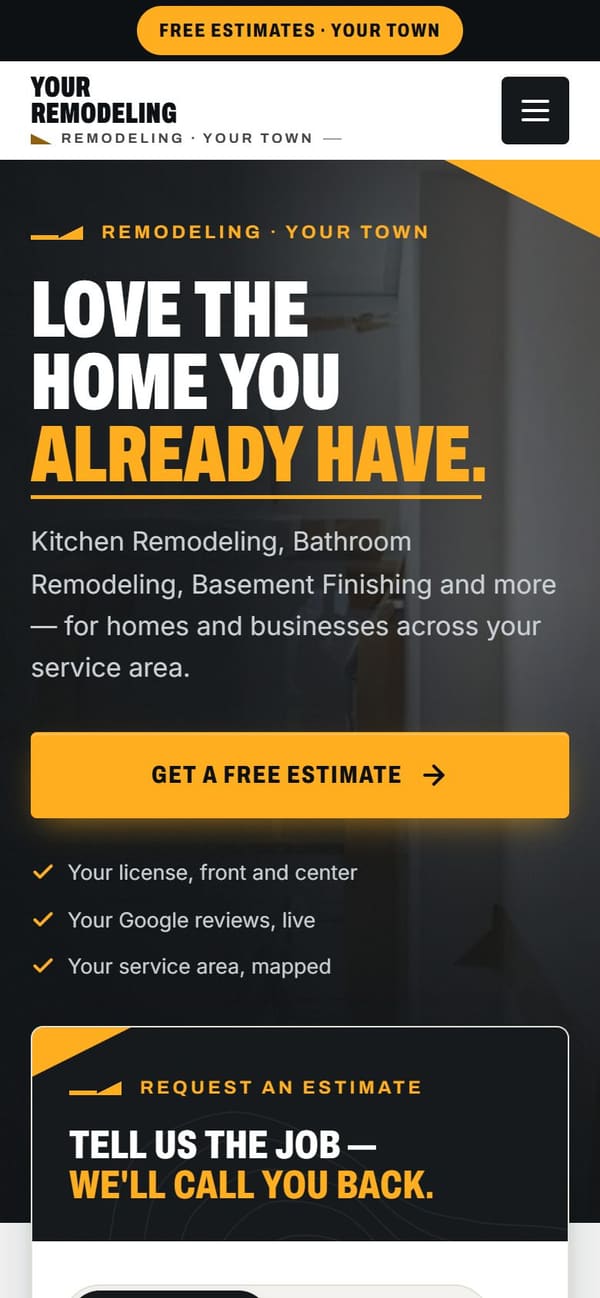
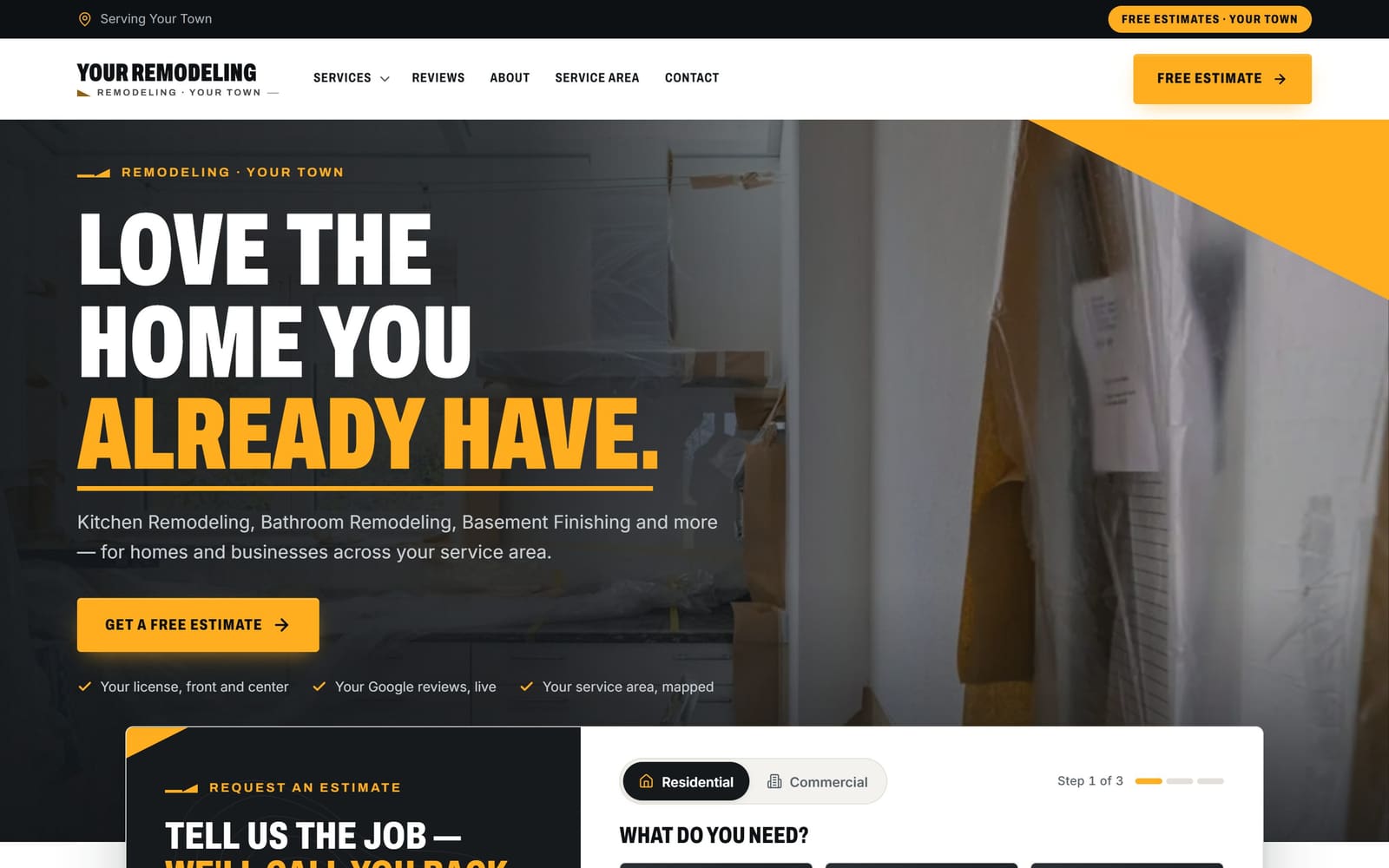
A sample remodelers website, the kind Vevang builds and keeps improving.
The same sample site on a phone.
Sample demo · the kind of site we build for remodelers

What does this include?

Vevang Sites builds your remodeling website first, then runs Google Search and Meta ads pointed at room pages that match what the homeowner typed. Ad spend stays on your own card. We track calls and consultation requests, and SEO Ranker keeps improving the pages behind those ads every week.

Why it matters

Why it’s different for your trade.

01

Remodel clicks are not cheap clicks

Kitchen and bath searches draw bids from every builder in the metro. When a click costs that much, the page it lands on decides whether you paid for a consult or a bounce. That is why the site comes before the ad budget.

02

Homeowners plan for months

Someone pricing a basement in February may sign in June. Search ads catch them the week they get serious. Meta ads keep your finished rooms in their feed while they collect quotes and argue about tile with their spouse.

03

Your photos do the selling

Remodeling is one of the few trades where the ad itself can show the result. A before-and-after of a galley kitchen in a neighborhood they recognize does more than any headline about quality craftsmanship.

What we do

The work, step by step.

01

Build the room pages first

Before a dollar goes to ads, you need a kitchen page, a bath page, and whatever else you want more of, each with finished projects, your process, and a consult form. Ads to a homepage waste the click.

02

Pick the work you actually want

Most remodelers have a job type that pays and one that eats the calendar. We point budget at the first. If full baths are your bread and butter, the ads say bathroom remodeling, not general contracting.

03

Run search ads with tight wording

We bid on phrases that signal a real project and block the rest: how-to searches, DIY, apprentice and job queries, apartment and commercial terms, and towns outside your drive. Geography gets capped to where your crews work.

04

Add Meta for the planners

Before-and-after sets and short walkthroughs, aimed at homeowners in your zip codes and at people who already viewed your galleries. These reach the person saving photos months before they type anything into a search bar.

05

Track calls, forms and contracts

Every ad lead gets a tracked number and a tagged form. We record which room page and which ad produced the consult, then you tell us which consults turned into signed work. That closes the loop.

06

Review and shift by season

Budget moves with demand: planning searches after the new year, kitchens in late summer for holiday hosting, basements when it is too cold to do anything outside. We adjust weekly instead of setting it once.

Common mistakes

What usually goes wrong.

Every ad lands on the homepage

A homeowner searching bathroom remodel arrives, sees a slider of decks and additions, and leaves. One page per room, with photos of that room, is the whole difference between a paid click and a paid consultation.

Bidding on broad remodeling terms

Broad phrases pull in renters, people wanting a handyman to patch drywall, students writing papers, and folks looking for work. You pay for all of it. Narrow wording and a long negative list keep the budget on real projects.

Judging ads by lead count

Twenty tire-kickers can look better than three serious kitchen consults on a dashboard. Score ads by consults that turned into contracts and by project size, or you will cut the campaign that pays for your year.

Letting consult requests sit

Remodel shoppers contact a few companies the same evening. If your ad lead waits two days for a callback, they have already walked another contractor through the house. Ads only work with a same-day response habit.

Checklist

What you can check today.

  • Name the two room types you want more of this year
  • Build a separate page for each with local finished photos
  • Add negative keywords for DIY, jobs and commercial searches
  • Limit ad geography to towns your crews will actually drive to
  • Put a photo upload field on the consultation form
  • Set a same-day callback rule for every ad lead
  • Ask each caller which room they searched and log it
  • Tag which consults became signed contracts, not just leads

How it works

You see it first. Then you decide.

You don’t sign anything to see it. Book a time, and your demo is ready before we talk.

  1. 01

    Book 15 minutes

    Pick a time — often the same day. Tell us your website, or just your business name and city.

  2. 02

    We build your demo

    Before the call, we build a demo of your new website from your real business: your services, your area, your reviews.

  3. 03

    See it, then decide

    We walk you through the demo on the call. You see exactly what you’d get before you spend anything.

  4. 04

    Launch, then improve weekly

    We build it for real and put it live. After launch, the SEO Ranker agent keeps improving it every week.

15 minutes on Google Meet. No obligation.

Questions

Straight answers.

Do I need ads if my site already ranks?

Often not right away. Organic pages and your Google Business Profile usually carry a remodeler further per dollar, because the work compounds. Ads make sense when you want a specific room type filled, you are entering a new town, or you have crew capacity opening next month and cannot wait for rankings to move.

Can remodelers use Google Local Services Ads?

It depends on your market and how your work is categorized. Some areas list general contractor and related home improvement categories, others do not. We check eligibility for your address, and if you qualify we handle the license and insurance verification. If not, we run standard search ads instead.

Who pays for the ad spend?

You do, directly. Ad accounts are set up in your name with your card on file, so you see exactly what Google and Meta charge and you keep the account if we ever part ways. We manage the campaigns and the pages they point at.

Search ads or Meta ads first?

Search first, usually. Someone typing kitchen remodel in your city already decided to do the project. Meta comes next, because remodeling photos work well in a feed and keep you visible during the months between the first idea and the first check.

How fast will ads bring in jobs?

Calls can start quickly. Signed remodels take longer, because homeowners meet several companies and often wait for a season, a loan or a tax refund. Expect the first month to tell you about lead quality and the following months to tell you about revenue. Nothing here is guaranteed.

What should I budget for ad spend?

Enough to get steady data in your area without straining a slow month, and no more until you see consults converting. We start on your best room type in your tightest geography, then expand once the tracking shows which ads produce work worth doing.

Will running ads hurt my organic rankings?

No. Paid clicks and organic rankings are separate systems. Ads do help indirectly, though, because the room pages we build for campaigns are the same pages SEO Ranker keeps improving each week. No one can guarantee rankings, but better pages help both sides.

What happens on the 15-minute call?

We build a demo of your remodeling site before we talk, using your project photos and service area, so you are looking at something real instead of a slide deck. Then we go through which rooms you want more of and whether ads make sense yet.

More for remodelers

One team for the whole job.

Reviewed 2026-09-24

Your demo is free

See your new website on the call.

Tell us your website — or your business name and city — and pick a time. We’ll have your demo ready before we talk.

Pick a 15-minute time. Your demo is built before the call.